Monsoon response must begin before disaster
- Prajakta Chavan Rane
- 04 Jul, 2026
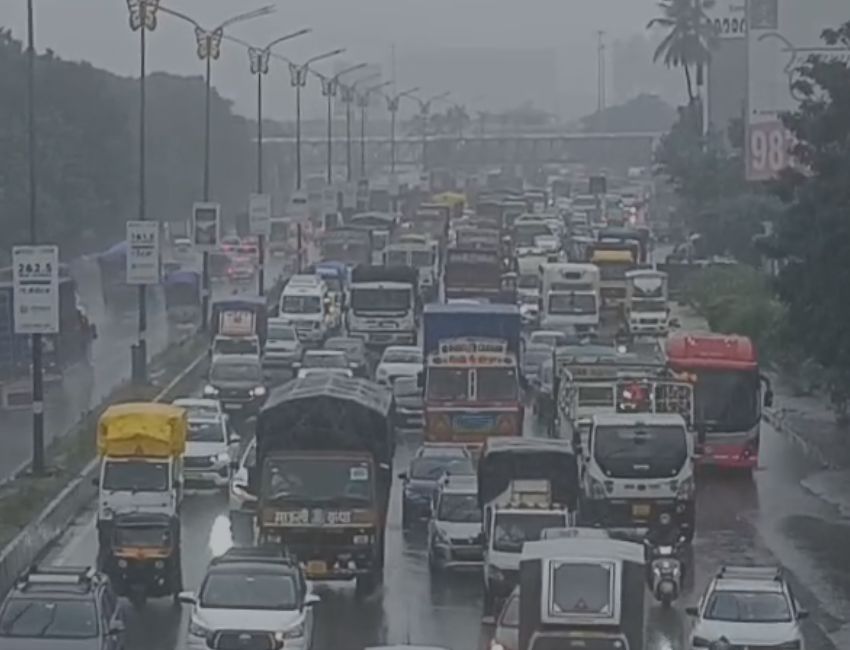
Every monsoon, the Mumbai Metropolitan Region (MMR) witnesses a familiar cycle. Heavy rain brings flooded roads, overflowing drains, open manholes, uprooted trees, traffic chaos, and waterlogged neighbourhoods. Residents navigate submerged streets while worrying about hidden potholes, exposed electric cables, and disrupted public services. These are not unforeseen challenges—they are recurring problems that have persisted for years.
Despite repeated assurances of better preparedness, the same civic shortcomings continue to surface every rainy season. Drain desilting, road repairs, stormwater management, and tree maintenance are often highlighted before the monsoon begins. Yet, the first spell of heavy rain frequently exposes gaps in planning and execution, leaving citizens to deal with the consequences.
During periods of intense rainfall, political leaders and civic officials are often seen inspecting affected areas, reviewing the situation, and directing emergency measures. Such visits can help monitor relief efforts and reassure the public. However, many residents question whether similar urgency is applied before the monsoon arrives, when preventive action could significantly reduce the impact of flooding and disruption.
A proactive approach is essential. Regular inspection of drains, timely completion of infrastructure projects, proper maintenance of roads, secure covering of manholes, and routine checks of electrical installations should become year-round priorities rather than seasonal exercises. Preparedness should be measured by how effectively risks are reduced before heavy rain, not merely by the speed of the response afterwards.
The monsoon is a predictable annual event, not an unexpected disaster. Civic planning must therefore focus on prevention as much as emergency response. Citizens deserve infrastructure that can withstand seasonal challenges and governance that prioritises long-term resilience over short-term reactions. While no city can eliminate every rain-related problem, consistent planning, accountability, and timely execution can greatly reduce the hardship faced by millions each year.
Ultimately, the true test of governance is not how quickly authorities respond after streets are flooded, but how effectively they prevent those streets from flooding in the first place.

Follow Us
Related Posts