Toxic wetlands threaten Navi Mumbai’s Flamingo season
- Newsband
- 20 Oct, 2026
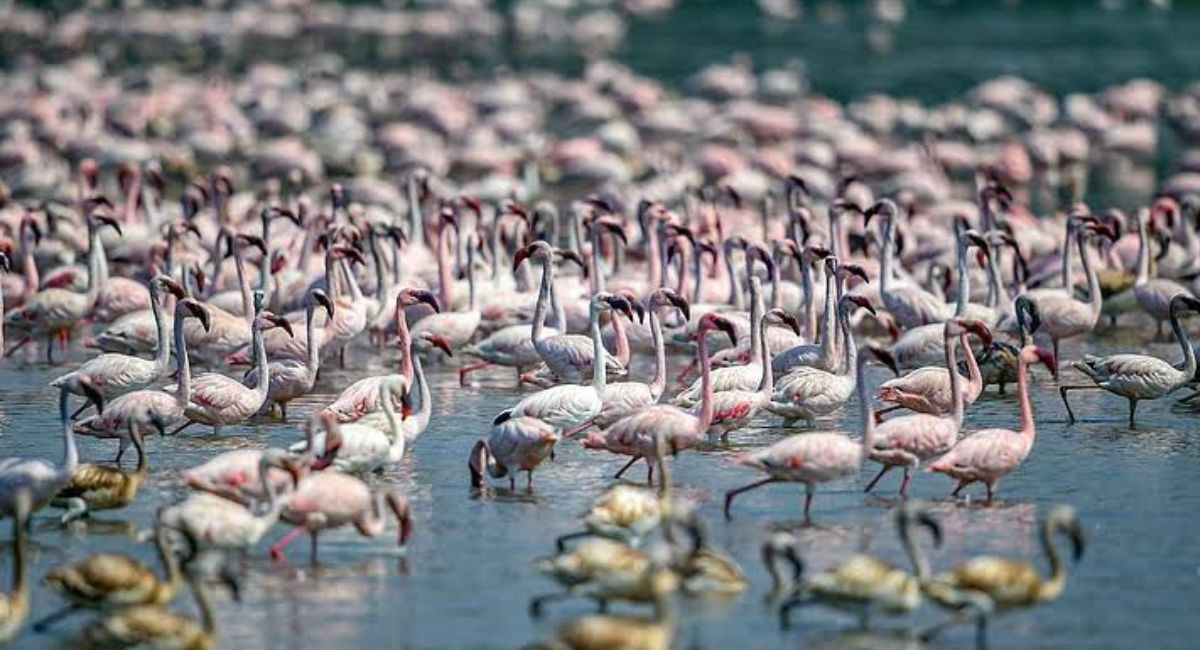
Navi Mumbai: Flamingos may arrive in Mumbai and Navi Mumbai earlier than usual this winter, potentially in larger numbers. However, environmentalists warn that pollution and deteriorating wetland conditions could threaten their feeding grounds.
NatConnect Foundation has raised concerns over polluted water, excessive algal growth and disrupted tidal flows at three important habitats: DPS Flamingo Lake, NRI Wetland and TS Chanakya Wetland.
Senior scientist Mrugank Prabhu of Srushti Conservation Foundation expects an early arrival, possibly influenced by deficient monsoon conditions in Kutch that could affect water levels and food availability, prompting the birds to seek alternative feeding grounds.
NatConnect director B N Kumar cited private laboratory tests commissioned earlier this year that reportedly found elevated pollution indicators in water samples from all three wetlands. He noted that flamingos had moved north to Rajasthan’s Sambhar Lake during the previous migratory season, with smaller groups arriving in the Mumbai region.
NRI Wetland in Nerul is reportedly affected by extensive algal growth, while TS Chanakya Wetland faces waterlogging and drainage issues linked by environmentalists to encroachment and interference with natural water flows.
Jyoti Nadkarni of Swarnshrushti Habitat Restoration Foundation expressed concern over delays in protecting mangroves and wetlands despite court orders and conservation committees.
Sandeep Sareen of the Navi Mumbai Environment Preservation Society stressed the need for urgent cleaning and restoration.
“The health of these wetlands is important not just for flamingos. They support fishing communities and act as urban sponges, absorbing excess water from high tides and floods,” he said.
Environmentalists have called for pollution control, restoration of tidal flows and stronger legal protection. They also highlighted the potential for responsible ecotourism to benefit local guides, transport operators and hospitality businesses while conserving biodiversity.

Follow Us
Related Posts