Paralysed man breathes independently after six months on ventilator
- Newsband
- 18 Sep, 2026
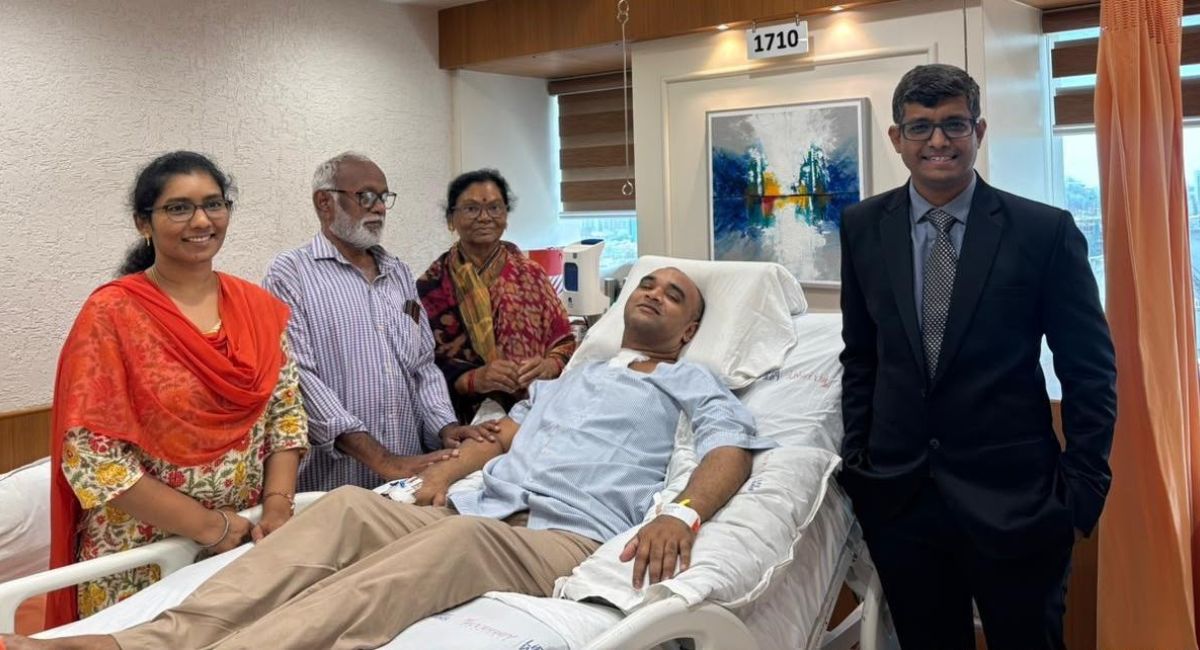
Mumbai: In a significant neuro-rehabilitation success, doctors at Wockhardt Hospitals Mumbai Central helped a 38-year-old man with a severe cervical spinal cord injury regain the ability to breathe independently after spending nearly six months on ventilator support.
The patient, a resident of Hyderabad, suffered a major accident that caused a cervical spinal cord injury, leaving him paralysed below the neck with complete loss of movement and sensation in his limbs. The injury also affected the connection between his brain and breathing muscles, making him dependent on assisted ventilation.
Initially admitted to an intensive care unit in Hyderabad, he remained on continuous ventilator support for nearly two months and continued to require breathing assistance for almost six months despite treatment at multiple healthcare centres. Doctors had indicated that long-term ventilator dependence could be unavoidable.
The family then approached Dr Manish Baldia, Consultant Functional Neurosurgeon at Wockhardt Hospitals Mumbai Central, for further treatment options. After detailed assessment, the patient was shifted to Mumbai under specialised medical care. Attempts to gradually reduce ventilator support showed high carbon dioxide retention, confirming that he was unable to breathe adequately on his own.
Dr Baldia performed a specialised phrenic nerve stimulation procedure to activate the diaphragm and restore breathing function. The patient showed improvement within three to four days and was stable enough to be shifted out of the ICU by the third week.
“Phrenic nerve stimulation helps bypass the disrupted communication pathway and directly activates the diaphragm, allowing patients to regain breathing independence,” said Dr Baldia.
The patient continues rehabilitation but can now breathe independently, communicate comfortably with his family and even sing again. Doctors said the case highlights the growing role of advanced neuro-rehabilitation techniques in improving the quality of life of patients with severe spinal cord injuries.

Follow Us
Related Posts