World Mental Health Day: HR leaders say structure, not sessions, eases workplace stress
- Newsband
- 09 Oct, 2026
As workplaces grow more demanding and professional responsibilities continue to evolve, employee mental health is increasingly seen as a core organisational concern rather than an occasional wellness initiative. Ahead of World Mental Health Day on October 10, HR leaders are calling for cultures that prioritise psychological safety, flexibility and accessible support.
The challenge extends beyond organising wellness sessions or offering employee benefits. Creating an environment where employees can speak openly about stress, seek help without fear of judgement and balance personal responsibilities with professional expectations is becoming central to the workplace well-being conversation.
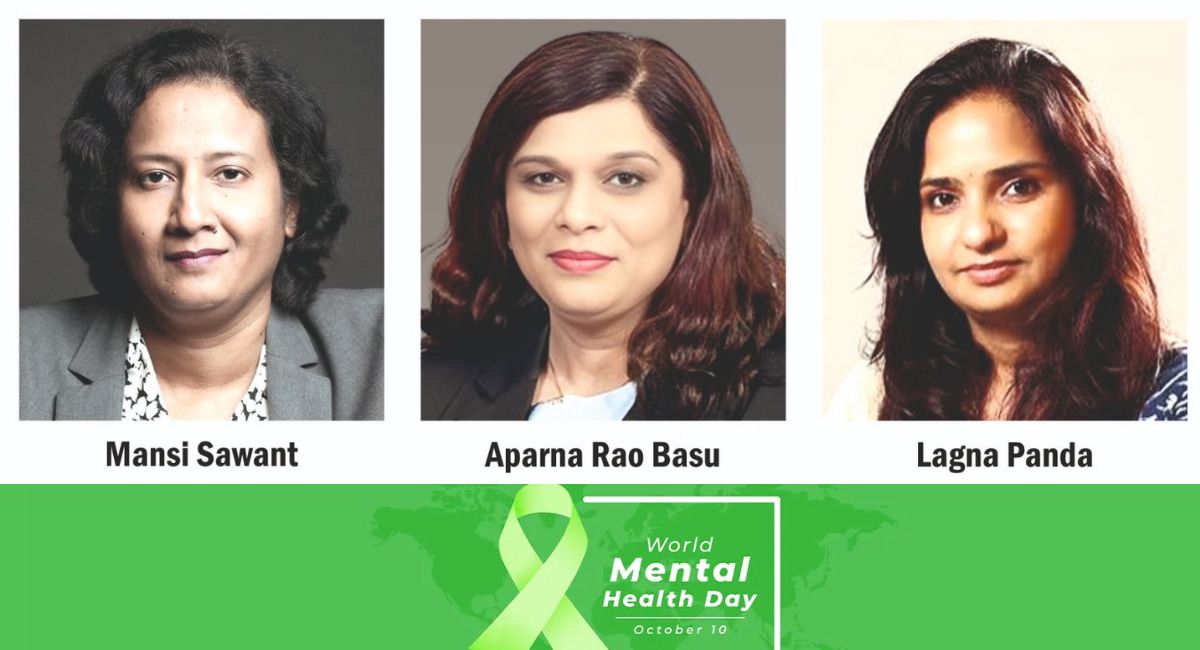
Mansi Sawant, Head of HR – People and Culture at Orient Technologies Limited, believes employee well-being is fundamental to building resilient organisations.
“Employee well-being is not simply a workplace priority. It is fundamental to building resilient, high-performing and future-ready organisations,” she said, emphasising the need for employees to feel heard, supported and safe enough to discuss their concerns.
Meaningful conversations, backed by appropriate support systems, could help employees navigate challenges with greater confidence and build lasting resilience, Sawant added. They should be able to grow professionally without neglecting personal well-being.
At Sagility India, the focus is on structural change rather than conventional wellness programmes alone. Aparna Rao Basu, Senior Vice-President and Head of Human Resources, said flexibility and employee feedback were important elements of this approach.
“Workplace mental health requires moving beyond standard wellness programmes towards structural support mechanisms that directly reduce stress,” she said.
Through its Wonder of Wellness (WoW) initiative, the company offers hybrid work and flexible shift timings, while its Voice of Employee feedback channels are intended to identify workplace concerns and address systemic issues. Specialised training and peer-support networks, including the S.H.E. Circle and Abilities Circle, promote inclusion and help employees facing challenges because of their individual circumstances.
For Basu, well-being is closely linked to building a sustainable workplace where employees feel a sense of belonging and can contribute without compromising their personal needs.
At CSM Technologies, the emphasis is on accessibility and trust. Chief Human Resources Officer Lagna Panda said workplace pressures were inevitable, but how organisations responded to employees’ individual circumstances could make a difference.
“Supporting well-being is not just about providing benefits; it is about creating an environment where people feel heard, supported and valued,” Panda said.
The company follows an open-door approach and offers access to an external counsellor, giving employees a confidential avenue to discuss personal, emotional or work-related concerns. Regular health camps, along with yoga and Zumba sessions, form part of its efforts to encourage physical well-being.
While the approaches differ, the three HR leaders share a common emphasis on making support accessible, encouraging open communication and recognising employees as individuals with varied needs.
As World Mental Health Day draws attention to psychological well-being, the question for workplaces is whether employees can seek support when they need it, without fear or stigma. The answer may depend less on the number of wellness initiatives on offer than on whether everyday working cultures make mental well-being a genuine priority.

Follow Us
Related Posts